
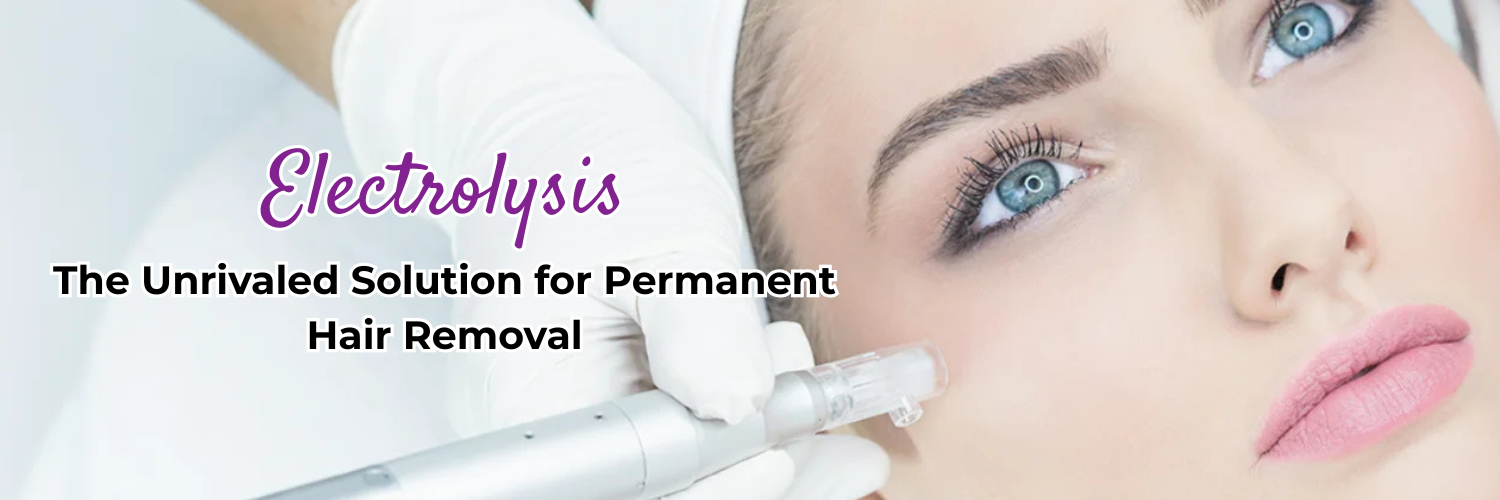
Understanding Electrolysis
What is Electrolysis?
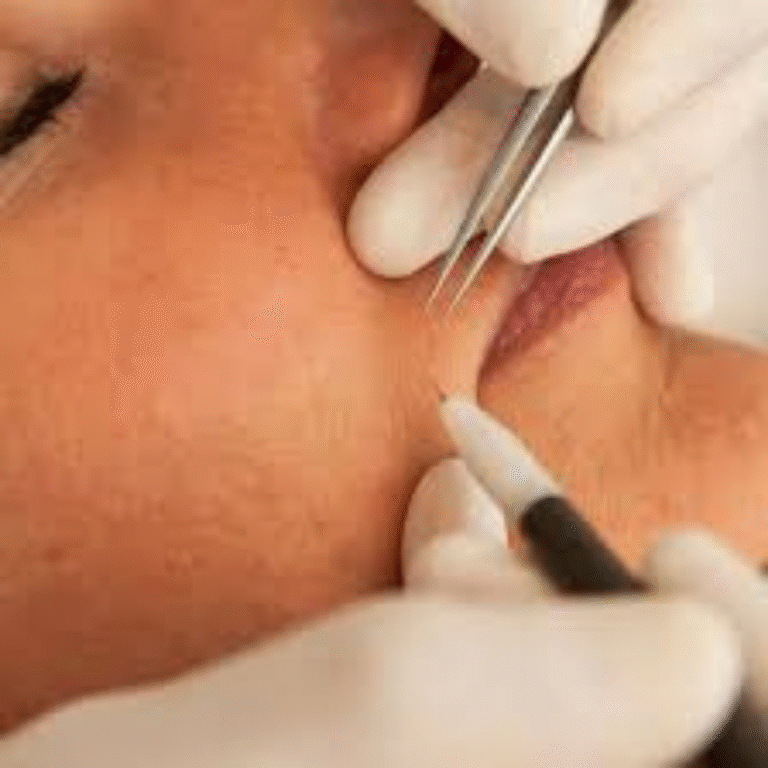
Electrolysis is a method of hair removal that uses an electrical current to destroy the hair follicle, preventing future hair growth. During the procedure, a fine probe is inserted into the hair follicle, and an electrical current is applied, typically through methods like galvanic electrolysis or thermolysis. This process damages the follicle, inhibiting its ability to produce new hair.
What Happens During Electrolysis Hair Removal Treatment?
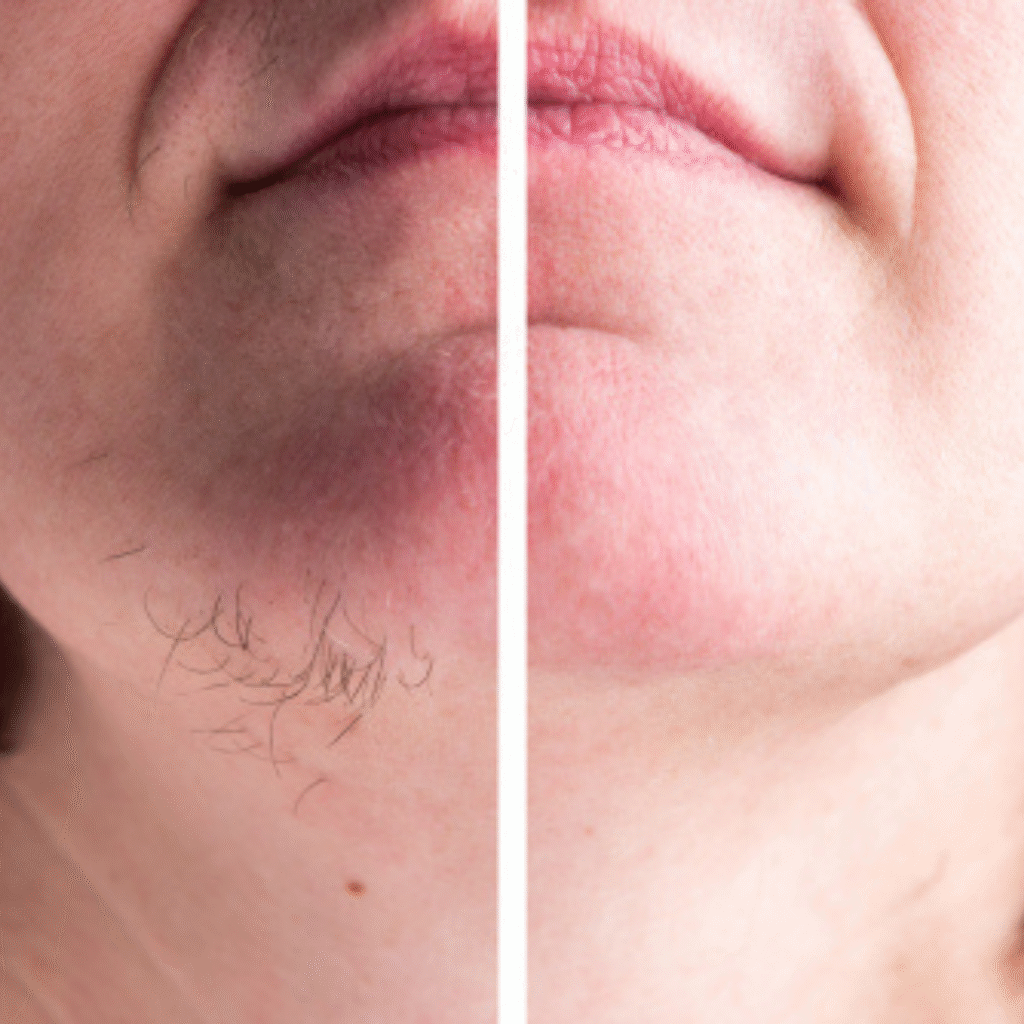
During your electrolysis hair removal treatment, an electrologist will insert an ultra-fine probe into each individual hair follicle. A tiny electrical current is passed through the probe, creating a chemical reaction that targets the bulge, which is the part of the hair responsible for growth so the hair can’t regenerate. In addition, the hair of the treated hair follicle is gently removed with tweezers by the electrologist.
Will it Hurt?
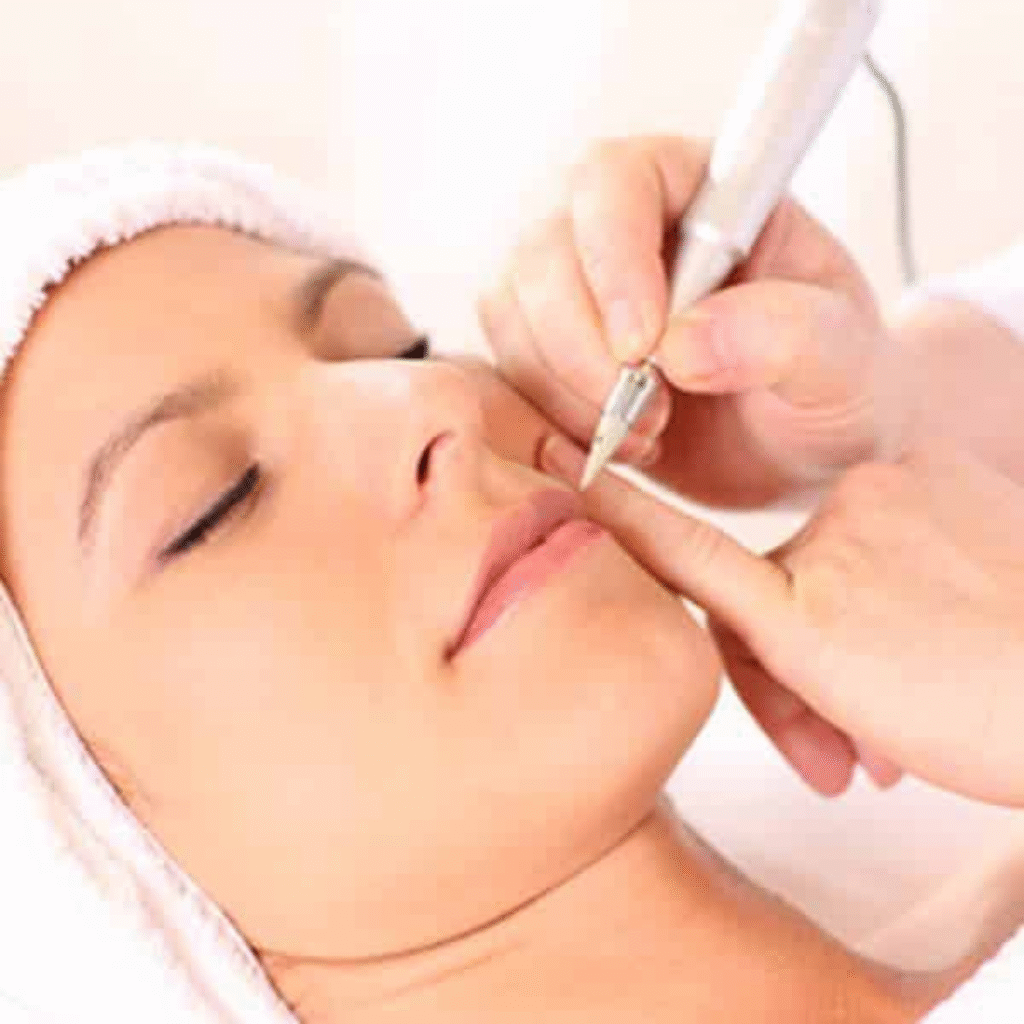
The level of discomfort you experience will depend on the area being treated and your sensitivity threshold. At Skin Artistry Electolysis Brisbane, our electrologists are very careful and gentle, and work with expert precision to help minimise any discomfort. We continually check in with you to make sure you’re ok.
Hydrate well, skip caffeine/alcohol, and inform your electrologist of health conditions to ensure the best, most comfortable results, as they need visible hair to treat.
Grow Hair: Let hair grow 1-3mm; avoid tweezing, waxing, or threading for 2-3 weeks.
Shave: Shaving is fine up to 3-4 days before.
Moisturise: Gently exfoliate and moisturise the area.
Avoid Sun: Stay out of the sun and tanning beds for at least 48 hours.
Stop Products: Discontinue retinoids and harsh exfoliants.
Check Health: Inform your electrologist of any health conditions (skin, heart, blood).
If on your period, or any hormonal changes, or medications, please advise or reschedule as your pain tolerance may be affected.
Clean Skin: Shower and gently cleanse the area, avoiding makeup, deodorant, lotions, or oils.
Limit Stimulants: Avoid caffeine and alcohol, which can increase sensitivity.
Pain Relief (Optional): Take an over-the-counter pain reliever an hour before if sensitive.
Apply any numbing cream as per the timing and written instructions.
Wear Loose Clothes: Especially important for bikini or underarm treatments.
No Pulling: Never pluck, wax, or thread hairs between sessions.
No Bleaching: Bleached hair is hard to see and treat.
DO NOT GET SUBURNT. If you do, please reschedule your appointment to a minimum of 7 days or when your skin is fully recovered.
Depending on the area, you can expect a significant reduction in hair after 4-8 sessions; tougher areas require 8+ sessions.
Full Permanent removal can be achieved in 9 months to 2 years (maintenance 4-8 weeks). Electrolysis takes many sessions (often 8-40+) over 1-2 years, as you must treat hairs in their active growth cycle, with frequency depending on the area's size, hair thickness, density, and your body's unique growth patterns.
Factors Influencing Session Count:
- Area Size: Larger areas (legs, back) need more treatments than smaller ones (upper lip, chin).
- Hair Thickness & Density: Coarse, dense hair requires more time and energy per follicle.
- Hormones: Hormone-influenced areas (face, underarms) often require more sessions.
- Hair Growth Cycle: Only hairs in the growth phase are destroyed; others fall out and regrow, requiring repeated treatments.
Typical Session & Timeline:
- Frequency: Weekly, fortnightly, or monthly appointments are common.
- Duration: Sessions can last 15 minutes to over an hour, getting shorter as hair reduces.
- Total Time: Expect 8-12 sessions for reduction, but full permanent removal can take 12 months to 2 years.
What to Expect:
- You’ll see fewer and thinner hairs after each treatment (between 30% and 40% each treatment).
- The process is a marathon, not a sprint, but the results are permanent once achieved.
It is important that, when undertaking this procedure, you choose products that will help prevent scarring or pigmentation and avoid strong skin treatments and sun damage.
More significantly, though less common, risks from improper use or sensitive skin can involve pigmentation changes (dark or light spots), burns, or scarring, while temporary ingrown hairs, bruising, or infection are also possibilities, emphasising the need for a skilled practitioner and good aftercare.
**Some clients with tanned or sensitive skin may experience skin discolouration. Depending on the client, this may be unavoidable, and the client must consider whether they prefer permanent or difficult-to-removal darkened skin spots or hair.**
Common & Temporary Side Effects:
:
- Redness & Swelling: Normal inflammation from the needle insertion, usually subsiding within hours.
- Tiny Scabs/Crusting: Small wounds healing, often resolving in days.
- Warmth/Tingling: A sensation during or after treatment.
- Ingrown Hairs: Can cause itching/irritation as hairs get stuck.
- Bruising: Rare, but can occur from uneven pressure or hitting small vessels.
Less Common & More Serious Risks (often from misuse or persons with sensitive or tanned skin):
- Pigmentation Changes: Dark spots (hyperpigmentation) or white spots (hypopigmentation) can occur, sometimes lasting months.
- Scarring: Permanent marks from burns or trauma to the skin.
- Infection: Risk of bacterial infection (like impetigo) or herpes reactivation, especially with poor hygiene.
- Nerve Irritation: High currents might cause temporary nerve irritation, but it usually resolves.
Minimising Risks:
- Choose a qualified, experienced electrologist.
- Follow the aftercare instructions, such as avoiding sun/makeup.
- Consult your doctor if you have diabetes, skin conditions, or concerns.
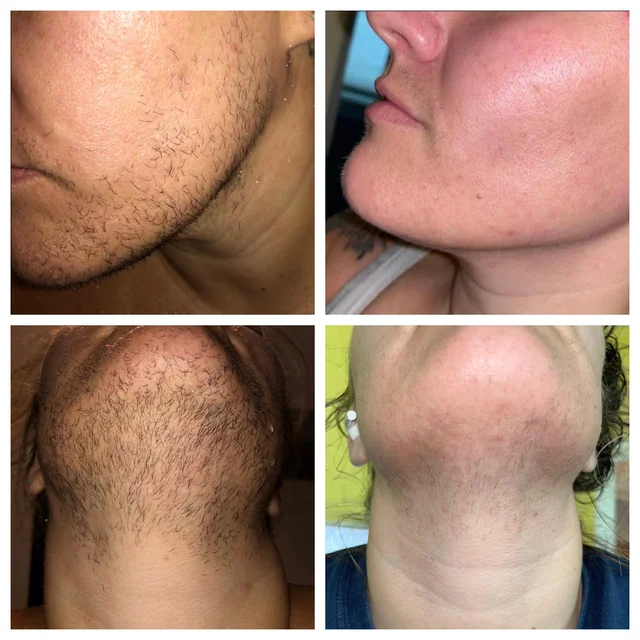
The Assurance of Permanence
Bidding Farewell to Unwanted Hair
While other hair removal methods offer temporary relief, electrolysis is the lone technique that delivers genuine, permanent results. Say goodbye to the never-ending cycle of shaving or waxing, and welcome the freedom that accompanies a life free from unwanted hair.